Baseboard heaters are a common sight in many homes, providing reliable warmth during colder months. While effective, they often suffer from wear and tear over time. Problems like rust, dents, and fading paint are frequent complaints, diminishing the heater's appearance and its performance. A simple, effective solution is to install a baseboard cover. Learn how baseboard covers extend the life of your heater, protecting your investment and enhancing your home's aesthetic.
Why Baseboard Heaters Deteriorate
Baseboard heaters, while durable, are susceptible to several forms of damage that can shorten their lifespan and reduce their effectiveness. Understanding these common issues is the first step toward preventing them.
The Impact of Moisture
One of the most significant threats to a metal baseboard heater is moisture. Bathrooms, kitchens, and basements are particularly prone to high humidity, which can lead to rust and corrosion on the heater's surface. Even in drier rooms, condensation from windows or accidental spills can introduce moisture that gradually eats away at the metal. Rust looks unsightly and weakens the heater's structure, potentially leading to more severe damage and the need for a premature replacement.
The Effects of Physical Damage
Due to their placement along the floor, baseboard heaters are vulnerable to everyday physical impacts. Accidental kicks, bumps from vacuum cleaners, and contact with furniture can easily cause dents, scratches, and misalignments. While a small dent might seem purely cosmetic, significant damage can obstruct the heater's fins and disrupt airflow, forcing the unit to work harder to distribute heat. This added strain can lead to overheating and a shorter operational life.
The Problem of Dust and Debris
Over time, dust, pet hair, and other small debris inevitably accumulate inside and around baseboard heaters. This buildup acts as an insulator, trapping heat and preventing it from circulating effectively throughout the room. As a result, the heater must run longer and at higher temperatures to achieve the desired warmth, leading to increased energy consumption and added stress on its internal components. This constant overwork can significantly reduce the heater's longevity. When a heater's efficiency declines, it impacts your comfort and your utility bills.
How Baseboard Covers Protect Heaters
Baseboard covers address the very issues that cause heaters to degrade. They serve as a protective shield, preserving both the function and appearance of your heating system.
A Barrier Against Physical Damage
A sturdy baseboard cover acts as the first line of defense against physical impacts. Made from durable materials, it absorbs the force from accidental bumps and kicks that would otherwise dent or scratch the heater itself. This protection is crucial for maintaining the structural integrity of the heating unit. By shielding the delicate fins and internal components, a cover ensures that airflow remains unobstructed, allowing the heater to operate as intended without unnecessary strain.
A Solution for Rust Prevention
Manufacturers often craft high-quality baseboard covers from materials specifically chosen for their resistance to moisture and rust. Galvanized steel or aluminum, for instance, provides a robust barrier against the corrosive effects of humidity. By encasing the original heater, the cover prevents moisture from coming into direct contact with the heater's metal surface. This is especially beneficial in moisture-prone areas of the home, effectively stopping rust before it can start and preserving the heater for years to come.
A Shield from Dust and Debris
While allowing for proper ventilation, baseboard covers also help to reduce the amount of dust and debris that can settle on the heater's internal components. Their design often makes it more difficult for contaminants to enter the unit, keeping the heating fins cleaner for longer periods. This reduction in buildup allows for better heat radiation and convection, meaning the heater doesn't have to work as hard to warm the room. The result is improved efficiency and less wear on the system.
Choosing the Right Baseboard Cover
Selecting the right baseboard cover involves more than just finding one that fits. You should consider the material, design, and installation process to ensure you choose a product that meets your needs for both protection and style.
Selecting the Best Material
Baseboard covers are available in various materials, each with its own set of advantages. Metal covers, such as those made from aluminum or steel, are highly durable and provide excellent protection against physical damage. They are also effective at conducting and distributing heat. Plastic or PVC covers are a more budget-friendly option and are naturally resistant to rust, making them a good choice for bathrooms or damp basements. Composite materials combine durability and aesthetic versatility, delivering a modern appearance while resisting daily wear.
Considering Design and Aesthetics
Modern baseboard covers come in a wide range of styles and colors, allowing you to seamlessly integrate them into your home's decor. You no longer have to settle for the standard industrial look of traditional heaters. You can choose from sleek, minimalist designs for contemporary spaces or more classic profiles that complement traditional interiors. Many companies offer a variety of finishes, from crisp white to metallic tones, giving you the freedom to transform your heater from an eyesore into a stylish accent.
Understanding the Installation Process
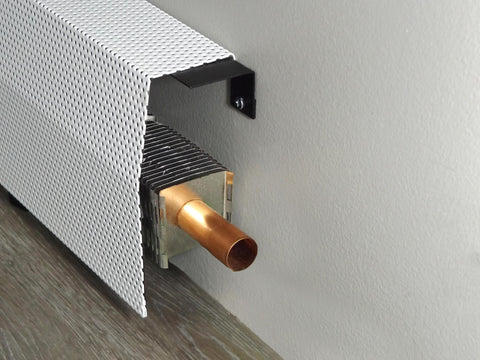
The ease of installation is another important factor. Many manufacturers design modern baseboard covers for simple, do-it-yourself setup. You can install snap-on covers, for example, in minutes without any special tools or technical skills. They simply slip over the existing baseboard heater. Other systems might require a few more steps, such as removing the old front panel before attaching the new cover. It is wise to review the installation instructions beforehand to ensure it is a project you are comfortable tackling.
Enjoy Long-Term Benefits
Investing in baseboard covers provides immediate visual improvements. They also offer long-term advantages that can save you time, money, and effort.
Better Heat Distribution
A well-designed baseboard cover can actually improve your heater's performance. Strategically placed vents on the covers improve airflow, enhancing convection. This process involves drawing cool air from the floor, heating it with the fins, and then rising to warm the room. This improved circulation helps distribute heat more evenly and efficiently, creating a more comfortable living space without making your heater work overtime.
Easier Maintenance and Cleaning
Cleaning traditional baseboard heaters can be a tedious task, requiring you to carefully vacuum between delicate fins. Baseboard covers simplify this process significantly. You can easily wipe down the smooth, solid surfaces with a cloth, and you can quickly remove many designs for deeper cleaning. This reduction in maintenance saves you time and helps ensure your heating system remains free of performance-inhibiting dust and debris.
Greater Cost Savings
By protecting your heater from damage and improving its efficiency, baseboard covers can lead to substantial long-term cost savings. You reduce the likelihood of needing expensive repairs or a full replacement of the heating unit. Furthermore, by ensuring the heater operates at peak efficiency, you can lower your energy bills during the heating season. This makes baseboard covers a smart financial investment that pays for itself over time.
A Smarter Way To Heat Your Home
This guide on how baseboard covers extend the life of your heater shows that they are a worthwhile investment for any homeowner. They protect against physical damage, prevent rust, and reduce dust buildup, all of which contribute to a longer and more efficient life for your heating system. If you're ready to upgrade your heaters and transform your space, consider the decorative baseboard heater covers from EZ-Snap™ Covers. Browse our selection today to learn more.