Landlords face constant pressure to control costs while keeping rental units attractive and functional. Small upgrades often deliver the biggest long-term impact, especially in multi-unit properties. Baseboard heating systems sit in plain sight, which means their condition affects both heating efficiency and tenant perception of the space.
When you evaluate maintenance costs, energy performance, and tenant retention, you can begin to understand how baseboard heater covers save landlords money over time. Upgrading outdated covers creates measurable financial benefits that extend far beyond appearance.
Upgraded Covers Reduce Ongoing Maintenance Costs
Older heater covers tend to bend, rust, and break down after years of use. Property owners often patch or repaint them, but those fixes only delay replacement, and frequent repairs add up quickly across multiple units.
Modern baseboard heater covers eliminate the need for recurring maintenance tasks. High-quality materials resist corrosion and hold their shape over time. That means landlords spend less time coordinating repairs and fewer resources replacing damaged components.
Durable Materials Extend Replacement Cycles
Material quality directly impacts how often landlords need to reinvest in heating components. Thin or outdated metal wears down faster, especially in high-traffic rental environments. Replacing the covers every few years creates unnecessary expenses.
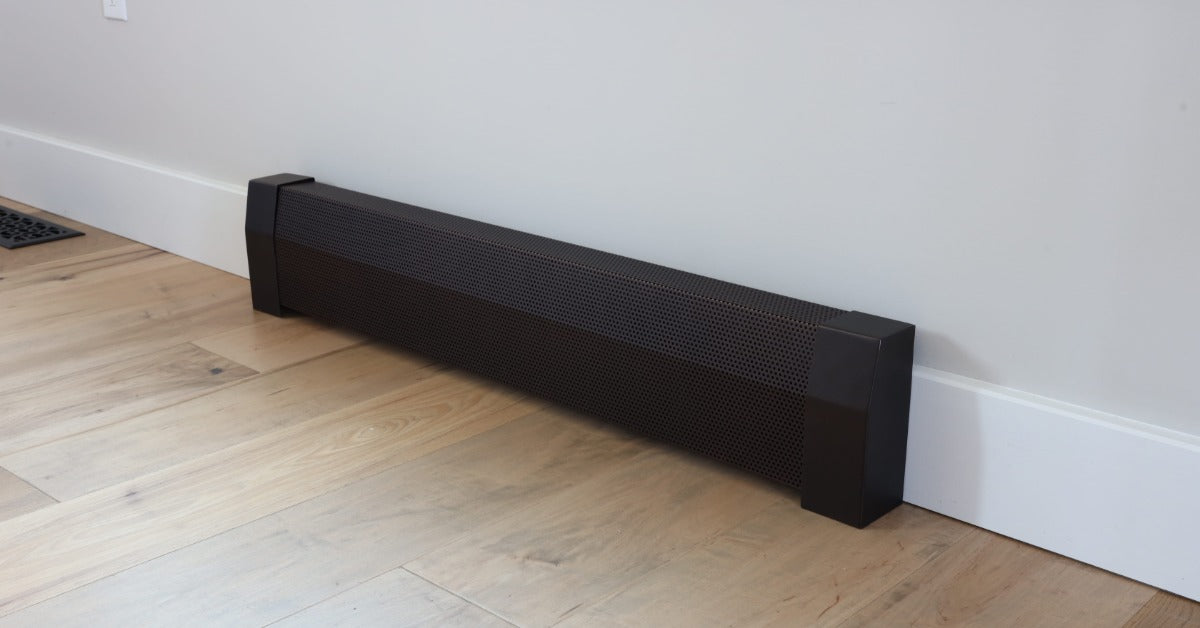
Modern baseboard radiator covers use thicker galvanized steel with protective coatings, which significantly extends their lifespan. These materials resist dents, rust, and everyday wear, and a longer replacement cycle means fewer capital expenses over time.
Improved Heat Flow Lowers Energy Waste
Poorly designed or damaged heater covers can block airflow and reduce heating efficiency. When heat cannot circulate properly, systems must work harder to maintain the set temperature. That increased workload raises utility costs.
Well-designed covers promote proper airflow and heat distribution. Units warm more evenly, reducing strain on the system. Lower energy usage translates directly into long-term savings for landlords managing multiple properties.
Updated Units Reduce Tenant Turnover
Tenants notice unit details, especially in older buildings. Rusted or outdated heater covers create the impression of neglect, even if the system functions properly. That perception can influence lease renewals.
Updated covers improve the overall look of a unit without major renovation costs. A clean, modern appearance indicates that units are well-maintained. Tenants tend to stay longer when they feel comfortable and confident in their spaces, which reduces turnover expenses.

Easy Installation Cuts Labor Costs
Labor costs often determine whether an upgrade makes financial sense. Complicated installations require contractors, schedule adjustments, and additional expenses. Many landlords delay improvements to units because of these barriers.
Modern heater cover systems simplify installation, as many designs allow for quick, tool-free setup, which reduces labor requirements. Property managers can complete upgrades efficiently without significant downtime, even across multiple units.
Protective Covers Prevent Costly System Damage
Exposed heating elements face constant risk of damage. Furniture, cleaning equipment, and everyday activity can impact the system, and even minor damage can lead to expensive repairs.
Protective covers act as a barrier, shielding internal heating components from external impact. This added protection helps preserve the integrity of the heating system. Fewer repairs and breakdowns contribute to consistent long-term savings.
Standardized Upgrades Simplify Property Management
Managing multiple units becomes easier when components remain consistent across properties. Inconsistent heater covers create confusion during maintenance and replacements, but standardization helps streamline operations.
Landlords benefit from upgrading to uniform cover systems in all units because they simplify inventory and repairs. Teams can quickly identify parts and complete fixes without delays, which reduces both time and cost.
Small Upgrades Deliver Strong Long-Term ROI
Not every property improvement requires a major investment. Strategic upgrades often produce the best returns. Heater covers represent one of the most overlooked opportunities for cost savings.
Consider the cumulative benefits landlords gain from upgrading heater covers:
- Reduced maintenance frequency
- Lower energy consumption
- Fewer system repairs
- Improved tenant retention
- Faster installation with less labor
Each benefit contributes to a stronger return on investment. Over time, these savings compound across every unit in a portfolio.
Modern Finishes Increase Property Appeal
Visual upgrades influence how tenants and prospective renters evaluate a space. Large renovations require time, permits, and significant capital, while smaller improvements can deliver a similar visual impact and offer a more efficient path forward.
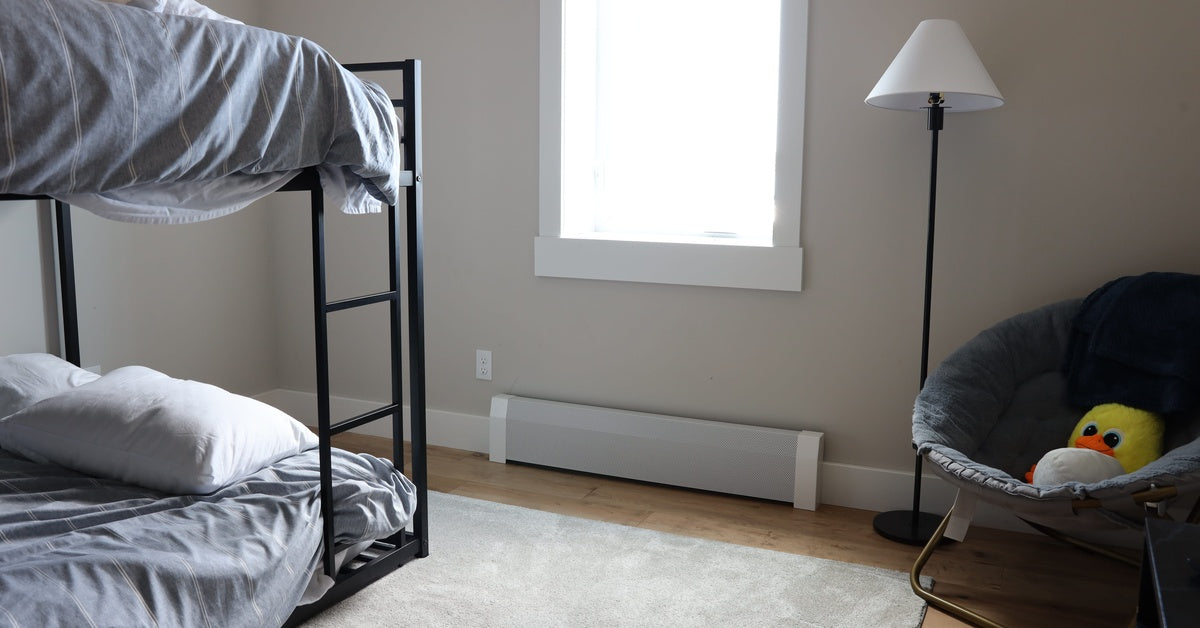
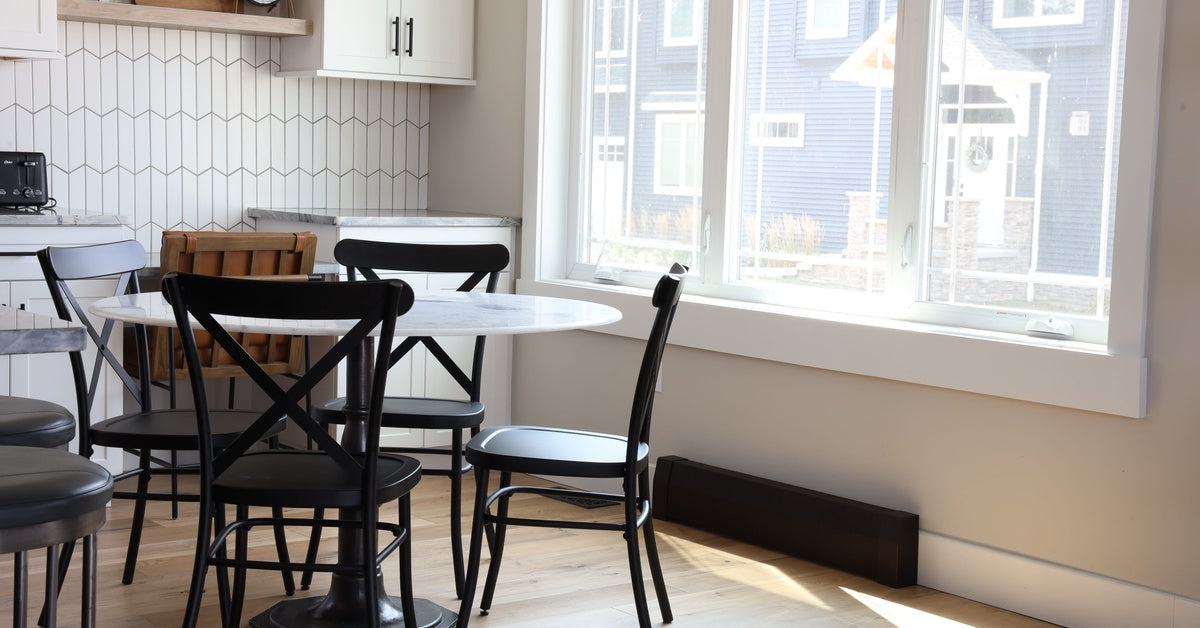
Updated heater covers come in clean, modern finishes that align with today’s design expectations. Neutral color options blend seamlessly with walls and flooring, which helps units feel cohesive. Landlords can elevate interior aesthetics without disrupting occupancy or increasing renovation timelines.
Predictable Costs Let Landlords Plan Long-Term Budgets
Unexpected repairs create budget instability, especially across multiple properties. Aging components often fail without warning, which forces landlords to react quickly and spend more than planned. Predictability plays a critical role in long-term financial planning.
Upgraded heater covers reduce surprise expenses by delivering consistent performance over time. With fewer equipment breakdowns and replacements, landlords can forecast maintenance costs more accurately. Stable budgeting supports better investment decisions and improves overall property management efficiency.
Consistent Quality Supports Property Reputation
A landlord’s reputation influences unit occupancy rates and rental pricing. Properties that maintain a clean, updated appearance attract more interest and justify stronger rental value. Small visual inconsistencies, including worn heating elements, can undermine that perception.
Uniform, high-quality heater covers create a consistent experience across every unit. This consistency reinforces a sense of professionalism and care. Over time, a stronger property reputation supports higher tenant demand and more stable revenue.

Baseboard Heater Covers Save Money Over Time and With Scale
The financial impact of upgrades becomes more noticeable as the number of units increases. A single repair may seem minor, but costs grow quickly when that repair is repeated across dozens of apartments. Landlords who manage large properties see the greatest advantage.
Baseboard heater covers save landlords money over time by reducing operational headaches and offering predictable expenses. Instead of reacting to problems, property owners gain control over maintenance and budgeting.
Make a Smart Upgrade With EZ-Snap™ Covers
At EZ-Snap™ Covers, we design solutions that allow landlords to simplify upgrades while maximizing long-term value. We offer durable, modern baseboard heater cover replacements that install quickly and last for years.
If you want to reduce maintenance costs, improve unit appearance, and create long-term savings, consider upgrading your heater covers. Explore our options at EZ-Snap™ Covers to see how this simple improvement can make a measurable difference across your properties.