Heating your home efficiently does not require a full system overhaul. Small, intentional upgrades can improve comfort, reduce energy waste, and help you get more value from your existing heater setup. However, many homeowners overlook these simple adjustments that make a noticeable difference in how heat moves and stays inside a space.
With some simple ways to optimize heating in your home, you can maintain consistent warmth while lowering unnecessary strain on your home’s heating system. The following ideas focus on practical, easy-to-implement improvements that support better system performance and long-term efficiency.
Seal Air Leaks To Keep Heat Where It Belongs
Air leaks force your home’s heating system to work harder than necessary. Warm air can escape through gaps around windows, doors, and even baseboards, while cold air enters at the same time. This constant exchange creates uneven temperatures and higher energy use.
Start by inspecting common problem areas like window frames, door edges, and utility openings, then apply weatherstripping or caulk to seal gaps and prevent drafts. Even small fixes can help maintain a steady indoor temperature and reduce heat loss.
Improving insulation in these areas supports everything else you do to optimize heating. When your home holds heat effectively, your system doesn’t need to cycle as often.
Use Programmable Thermostats To Control Temperature
A programmable thermostat gives you more control over when and how your home heats up. Instead of leaving the system to run at a constant temperature all day, you can adjust the settings based on your schedule. This prevents unnecessary heating when no one is home.
Set lower temperatures during sleeping hours or when the house is empty, then schedule a gradual increase before you return or wake up. This keeps your home comfortable without wasting energy.
Modern smart thermostats also learn your heating habits over time. They can adjust automatically and provide insights into energy usage, allowing you to fine-tune your heating strategy.
Maintain Clear Airflow Around Heating Elements
Blocked airflow limits how effectively heat spreads throughout your home. Furniture, curtains, and clutter placed in front of heating elements prevent warm air from circulating properly.
Take time to rearrange your space so heat can move freely, keeping at least several inches of clearance around baseboard heaters and vents. This simple adjustment allows heat to distribute evenly across the room.
When airflow improves, rooms warm up faster and stay comfortable longer. You also reduce the need to raise the thermostat unnecessarily.
Upgrade Worn-Out Covers To Improve Heat Distribution
Older heater covers often restrict airflow due to outdated designs or damage. Bent metal, rust, and clogged openings reduce how efficiently heat exits the unit and spreads into the room.
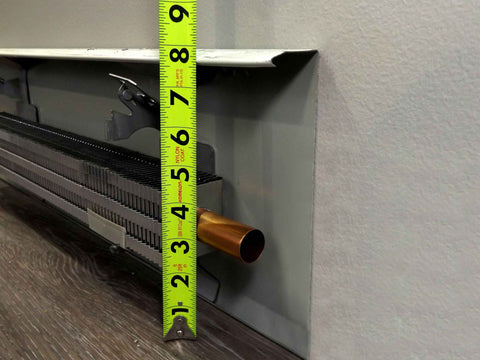
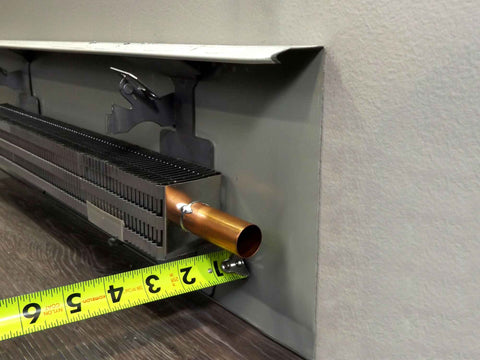
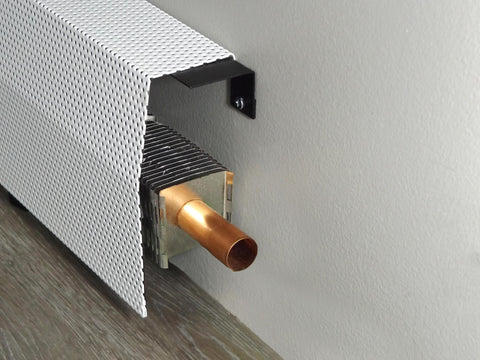
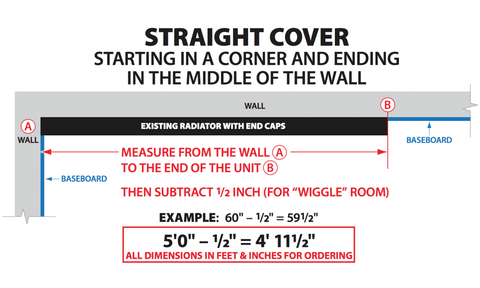
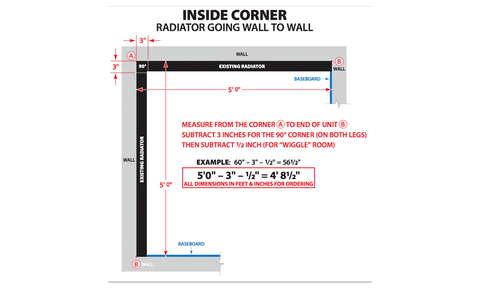
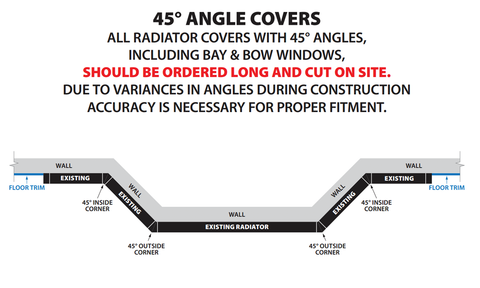
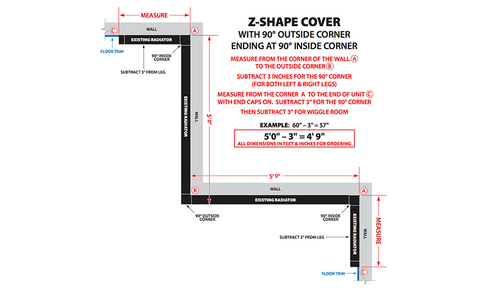
Upgrading to modern replacement baseboard covers improves both performance and appearance. New designs allow better airflow while directing heat outward more effectively. This helps eliminate cold spots and improves heating consistency across your space.
At EZ-Snap™ Covers, we offer a practical solution for homeowners looking to improve heating efficiency without replacing the entire heating system. Our covers are made with durable galvanized steel and have an epoxy-coated finish, meaning they are designed for long-term performance and easy installation.
Balance Room Temperatures With Simple Adjustments
Not every room in your home requires the same level of heating. Some areas naturally stay warmer due to sunlight, insulation, or layout, while others struggle to maintain warmer temperatures.
You can make the following adjustments to balance heat throughout your home:
- • Close doors to unused rooms
- • Use draft blockers under doors
- • Adjust vents or dampers if available
- • Add rugs to reduce heat loss through floors
These changes help direct warmth where it’s needed most. Instead of overworking your heating system, you create a more balanced and efficient environment.
Keep Your Heating System Clean and Well-Maintained
Dust and debris can build up inside heating components over time. This buildup restricts airflow and reduces efficiency, forcing your system to work harder to produce the same level of heat.
Regularly clean visible areas like vents and covers, vacuum dust from openings, and wipe down surfaces to keep airflow unobstructed. Schedule professional maintenance when needed to ensure internal heating components stay in good condition.
Consistent upkeep improves overall heating performance and extends the life of your system. It also helps maintain indoor air quality by reducing circulating dust.
Take Advantage of Natural Heat Sources During the Day
Sunlight provides an effective way to warm your home. During daylight hours, open curtains and blinds to allow natural heat to enter your rooms.
As the sun sets, close window coverings to trap heat inside; this prevents warmth from escaping through glass surfaces overnight. Thermal curtains or thicker fabrics add an extra layer of insulation to retain heat. Using natural heat strategically reduces reliance on your heating system and supports overall efficiency.
Improve Insulation To Reduce Heat Loss Over Time
Insulation determines how well your home retains heat. Poor insulation allows warmth to escape through walls, ceilings, and floors, making it difficult to maintain a comfortable temperature.
Focus on key areas like attics, basements, and exterior walls—adding or upgrading insulation in these spaces helps stabilize indoor temperatures. It also reduces the workload on your heating system.
Better insulation creates long-term benefits. You’ll notice more consistent warmth and lower energy usage throughout the colder months.
Choose Upgrades That Deliver Long-Term Value
Optimizing your home’s heating system doesn’t require expensive equipment. Strategic upgrades, like modern heater covers, improved insulation, and better controls, can deliver strong results without major disruption.
EZ-Snap™ Covers’ baseboard heater covers stand out as a simple upgrade that combines function and design. These covers install easily, require no tools in most cases, and offer a clean, updated look. Their durable construction and lifetime warranty make them a reliable choice for homeowners who want lasting heating system performance. If your current heater covers look outdated or restrict airflow, upgrading them can immediately improve both home efficiency and aesthetics.
Make Small Changes That Add Up to Big Results
Optimizing heating in your home comes down to a few simple steps. Whether you seal a draft, adjust airflow, or upgrade a component, each small improvement contributes to better system performance.
Focus on practical steps that fit your home and lifestyle. Over time, these adjustments create a more comfortable environment and reduce energy use. If you’re ready to improve your home’s efficiency and appearance, explore our options at EZ-Snap™ Covers to see how a simple heater cover upgrade can transform your heating setup.