Winter brings a familiar chill to the air, sending many homeowners scrambling to adjust their thermostats. You rely on your heating system to keep your family warm and comfortable, but sometimes, certain rooms just never seem to reach a cozy temperature.
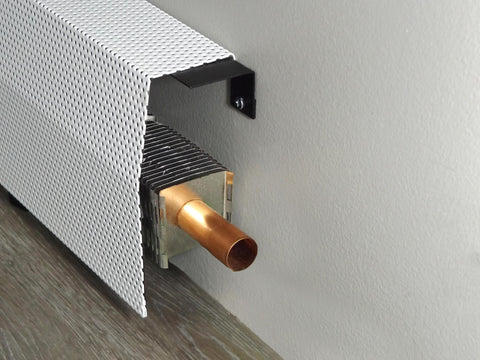
Your baseboard heater covers play a much larger role in energy efficiency than you might expect. These metal housings do more than just hide the heating element; they facilitate the airflow necessary to distribute warmth effectively. When they function correctly, your home stays warm without wasting energy. However, when they fail to perform properly, your heating system must work overtime to compensate.
Understanding the connection between heater covers and energy loss is the first step toward creating a more efficient home. By identifying the signs of inefficiency, you can make smart changes that lower your heating bills and increase your comfort.
Damaged Covers Restrict Airflow
Baseboard heating relies on the scientific principle of convection to warm a room. Cold air near the floor enters the bottom of the heater, passes over the hot fins inside, and rises out the top as warm air. This cycle creates a continuous loop of warmth that circulates throughout the space. For this process to work effectively, air must flow freely in and out of the unit. Unfortunately, physical damage to the cover often disrupts this essential airflow.
When damage restricts airflow, the heat generated by the element cannot escape into the room efficiently. Instead, it stays trapped inside the casing. Your heating system continues to consume fuel to produce heat, but because that warmth isn’t circulating, the room remains cool for much longer. Fixing or replacing damaged units restores the natural convection loop, allowing your system to operate as expected.
Old Designs Trap Heat
Many homes still feature baseboard covers that were installed decades ago. Older covers may have design flaws that unintentionally hinder performance, as manufacturers in the past prioritized aesthetics or material costs over optimal airflow, resulting in covers with small, restrictive vents.
This inefficiency creates a disconnect between your heating system’s effort and your comfort level. Your system generates plenty of heat, but the old cover design prevents it from reaching you. Upgrading to covers that utilize modern engineering principles releases this trapped potential. New designs focus on maximizing the open area for airflow while still providing safety and style.
Improper Installation Blocks Vents
Even the most advanced heater cover will fail to perform if installation errors block the airflow. The positioning of the cover relative to the floor, wall, and surrounding objects is critical for efficiency. A common issue arises when homeowners or contractors install the cover too close to the floor, often as a result of installing thick carpeting or new flooring without adjusting the heater’s height.
Blocking the bottom intake vent chokes the system. Without a steady supply of cool air entering from the bottom, the convection cycle stalls. Similarly, placing furniture, long drapes, or other household items directly in front of or on top of the heater prevents warm air from dispersing.
To ensure your system operates at peak efficiency, you must maintain clear pathways for air movement. Regularly checking your heaters for any obstructions allows you to correct simple mistakes that lead to major energy waste.
Rust and Corrosion Reduce Performance
Many older covers utilize standard painted steel, which eventually succumbs to rust. Rust is more than an eyesore; it fundamentally changes the thermal properties of the heater cover and reduces its ability to transfer heat.
Corrosion creates a rough, flaky surface that can physically clog the delicate aluminum fins on the heating element inside. These fins need to remain clean and straight to transfer heat to the air effectively. Additionally, the oxidized metal of a rusty cover does not conduct or radiate heat as well as clean metal. This means the cover itself absorbs heat but fails to release it efficiently into the room.
Choosing covers made from galvanized steel prevents this issue entirely. Galvanized steel resists rust and corrosion, maintaining high performance and clean aesthetics for years.
Gaps and Poor Fit Lead to Heat Escape
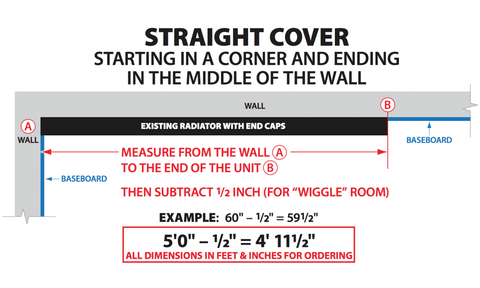
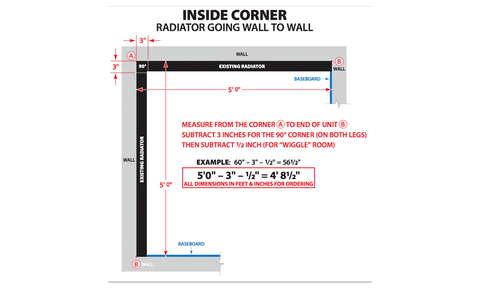
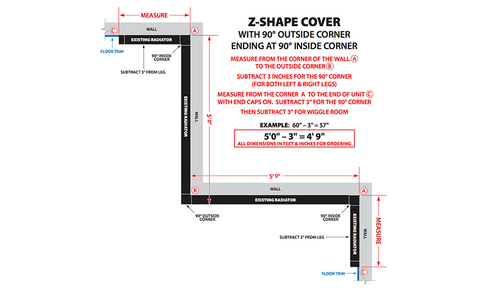
Precision matters when it comes to retaining heat. Covers that fit poorly often leave large gaps between the unit and the wall. While this might seem trivial, these gaps can become major avenues for energy loss, especially on exterior walls. Instead of directing warm air out into the room, a loose cover allows heat to leak behind the unit and into the wall cavity.
Securing a tight fit ensures that the warm air goes exactly where you want it. High-quality covers designed for adjustability or custom fits seal these gaps effectively. A snug, well-fitted cover keeps the heat inside, creating a warmer environment and a more energy-efficient home.
Modern Covers Improve Heat Distribution
The best way to combat energy loss is to embrace innovation. Modern baseboard heater covers feature engineering designed specifically to solve the airflow problems of the past. Manufacturers now use airflow testing to determine the optimal size and placement of vents. These improvements mean that cool air enters easily and warm air exits with velocity, pushing warmth further into the room.
When you install baseboard replacement covers that prioritize aerodynamics, you’ll notice the difference almost immediately—the room heats up faster because the cycle of convection moves more air volume per minute. This efficiency means your boiler or furnace runs for shorter cycles to satisfy the thermostat setting.
Shorter run times directly translate to lower fuel consumption. Whether you use oil, gas, or electricity, reducing the workload on your heating system saves money. Modern covers essentially act as a performance upgrade for your entire heating system. It is a smart, targeted investment that pays dividends in comfort and savings.
Maximize Your Home’s Efficiency
The connection between heater covers and energy loss is undeniable. Old, rusty, or damaged covers reduce the overall functionality of your heating system, forcing it to work harder to achieve less.
Upgrading to modern covers resolves airflow issues, prevents rust, and allows for proper heat distribution. It is a practical home improvement project that delivers immediate benefits. Taking control of your home’s energy efficiency starts with making sure that every component, right down to the heater covers, works in your favor.