As temperatures drop, many of us look for ways to keep our homes warm without breaking the bank. Hydronic baseboard heating is a popular choice in residential homes because it provides consistent, quiet warmth. If you have ever wondered how these systems work, you have come to the right place. We will explore the components, process, and benefits of hydronic baseboard heating, so you can understand what makes this heating solution so effective.
Hydronic baseboard heating uses hot water to warm a room. The system heats water in a central boiler and circulates it through pipes to baseboard units installed along the walls. These units, which are essentially radiators, transfer heat to the surrounding air, creating a comfortable living environment. Its straightforward design and efficient operation make it a reliable option for homeowners across the country.
Components of a Hydronic Baseboard Heating System
To appreciate how a hydronic system heats your home, you must first understand its main parts. Each component plays a specific role in delivering warmth, and they all work together in a continuous cycle.
A boiler is the heart of the system. This central unit heats the water before it travels through your home. Boilers can run on natural gas, oil, or electricity. Inside the boiler, a heat exchanger transfers thermal energy to the water, raising its temperature to the level set by your thermostat.
Once heated, the water travels through a network of piping. These pipes run from the boiler to the baseboard units in each room. The layout of the piping is crucial, as it dictates how efficiently the hot water reaches its destination and returns to the boiler for reheating.
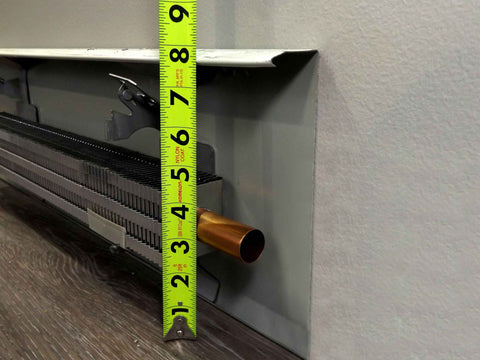
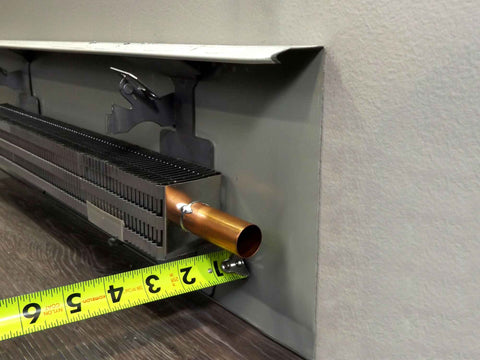
The baseboard units are the visible parts of the system that release heat into your rooms. These units contain a finned tube through which the hot water flows. As water passes through, the metal fins heat up and transfer warmth to the air. The design of these units promotes natural air circulation.
Temperature fluctuations cause water to expand and contract. An expansion tank is a small tank connected to the system that safely manages these changes in water volume. It prevents pressure from building up to dangerous levels, protecting the boiler and pipes from damage.
Finally, a thermostat acts as the control center. The thermostat monitors the room’s temperature and signals the boiler to turn on or off as needed. This simple device allows you to regulate the heat and maintain a comfortable environment.
How Hydronic Baseboard Heating Works
The process of heating your home with a hydronic system is a continuous loop. It begins with heating the water and ends with that same water returning to the boiler to be heated again. Let’s walk through the steps.
The cycle starts when the thermostat detects that the room temperature has fallen below your desired setting. The thermostat sends a signal to the boiler, which then fires up to heat the water inside it. A circulator pump, which is often located near the boiler, activates to move the hot water out of the boiler and into the network of pipes.
As the hot water circulates through the pipes, it reaches the baseboard units in different rooms. The finned tube inside each unit becomes hot, and it begins to radiate heat into the surrounding area. This process is the foundation of how the system warms your space.
The heat from the baseboard units warms the cool air near the floor. As the air gets warmer, it becomes less dense and rises toward the ceiling. This upward movement displaces the cooler, denser air at the ceiling, which then sinks toward the floor. This natural convection current creates a gentle circulation of air that distributes heat evenly throughout the room, eliminating cold spots.
After the water travels through the baseboard units and releases its heat, it cools. The now-cooler water flows back to the boiler through a return pipe. Once there, the boiler reheats the water, and the entire cycle starts over. This continuous loop keeps your home consistently warm.
Benefits of Hydronic Baseboard Heating
Hydronic baseboard heating offers several advantages over other heating methods, such as forced-air systems. One of its most praised benefits is its consistent heat. Because the system relies on hot water and natural convection, it distributes warmth evenly, creating a comfortable environment without drafts.
Another significant advantage is its quiet operation. Unlike forced-air systems that can be noisy when the blower turns on and off, hydronic systems are nearly silent. The only sound you might hear is the quiet hum of the circulator pump, which is often unnoticeable.
Hydronic systems can also be highly energy efficient. Water holds heat much better than air, so the boiler does not need to run as often to maintain the desired temperature. This efficiency can lead to lower energy bills. Additionally, zoned heating is another key feature. With separate thermostats for different areas of your home, you can control the temperature in each zone independently. This flexibility lets you heat only the rooms you use, further reducing energy consumption.
Maintenance and Troubleshooting
To keep your hydronic baseboard heating system running smoothly, you should perform regular maintenance. One common task is bleeding trapped air from the system. Air can sometimes get into the pipes, creating gurgling noises and preventing the baseboard units from heating up properly. You can release this trapped air by opening a small valve on the unit until water begins to trickle out.
You should also check for leaks periodically, especially around fittings and connections. Small leaks can lead to water damage and a drop in system pressure, which reduces efficiency. If you find a leak, address it promptly to prevent further issues.
Regular inspections by a professional are also a good idea. A technician can check the boiler, pumps, and other components to make certain everything is functioning correctly. Proper maintenance prolongs the life of your system and keeps it operating at peak performance.
Enhance Your Heaters With EZ-Snap™ Covers
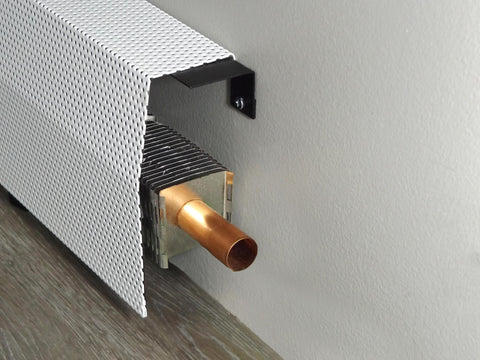
Over time, the original baseboard heater covers can become dented, rusted, or discolored, detracting from your home’s appearance. Instead of replacing the entire heating unit, you can give your room a fresh look with a simple upgrade. EZ-Snap™ Covers offer a stylish and affordable solution to this common problem.
These covers snap on easily over your existing baseboard units without needing any special tools or professional assistance. EZ-Snap™ Covers are the strongest and thickest on the market, made in the USA from durable, epoxy-coated galvanized steel. This construction prevents rust and corrosion, and it comes with a lifetime warranty. Upgrading your baseboard heater covers improves their appearance and can also enhance heat distribution.
A Reliable and Comfortable Heating Solution
Hydronic baseboard heating offers a quiet, consistent, and efficient way to warm your home. By understanding its components and how they work together, you can appreciate the steady comfort it provides. With regular maintenance, your system will continue to perform well for years to come. And if you want to give your rooms a modern update, consider a simple and stylish upgrade with new baseboard heater covers. This combination of efficiency and aesthetic appeal makes hydronic baseboard heating an excellent choice for any home.